New partnership with Bora. Read more
January 24, 2026
Ressources
Access a curated selection of our latest and greatest content in 1 monthly email.
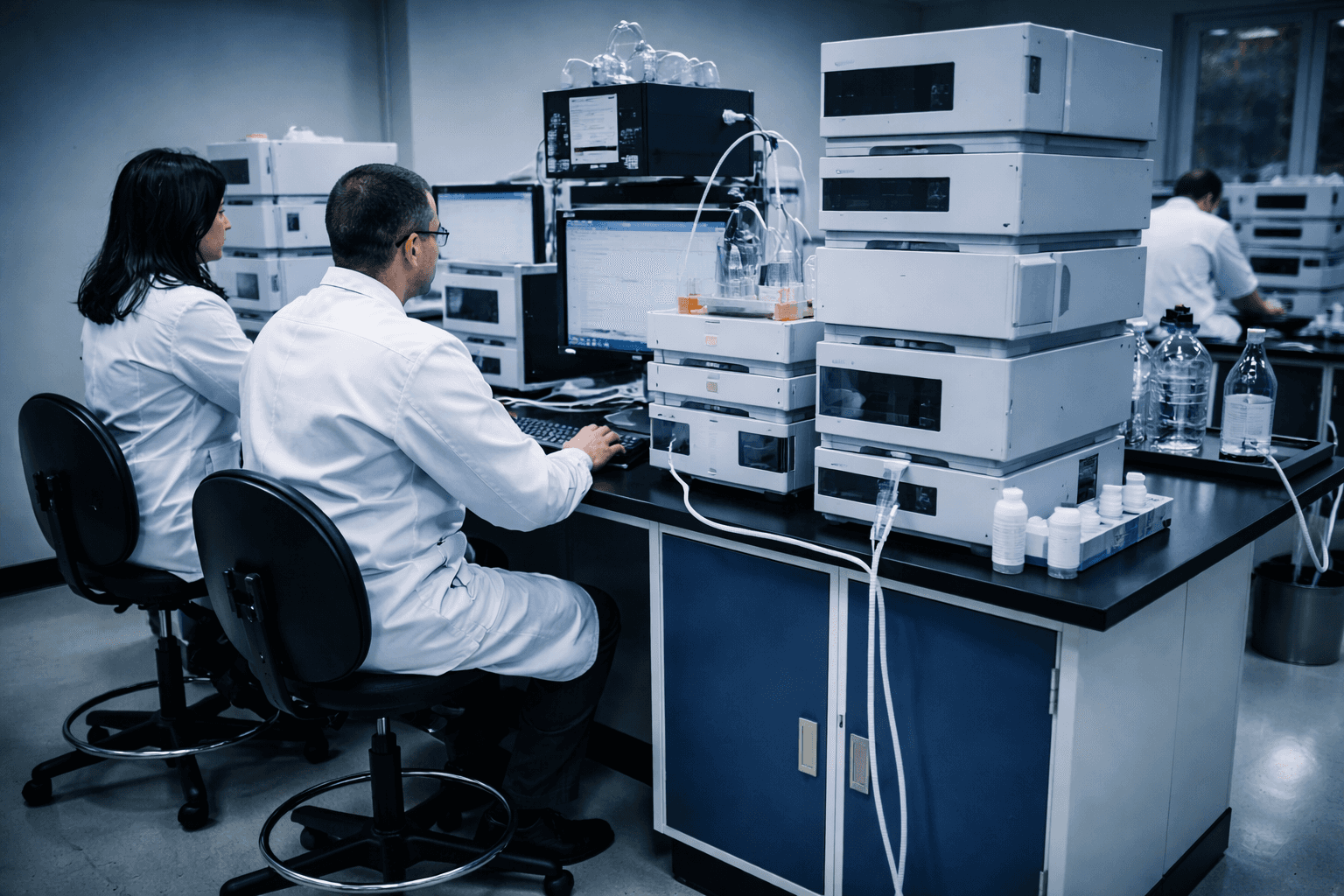
Early-phase pharmaceutical development is defined by uncertainty. Processes are still taking shape, clinical strategies evolve quickly, and decisions made early can have long-term consequences for both the program and the patient.
In this context, manufacturing environments cannot simply be scaled-down versions of late-stage facilities. They must be designed differently — around flexibility, proximity, and people.
At Corealis, our facility was built specifically to support Phase I and II programs. Located within the science hub, it reflects a deliberate choice to operate at human scale, where scientific rigor, collaboration, and responsiveness can coexist within a fully compliant environment.
Why early-phase manufacturing requires a different approach
Phase I and II manufacturing sits at a critical intersection between development and execution. Unlike commercial production, processes are often still being refined. Unlike early research, the expectations for quality, documentation, and regulatory compliance are already high.
Lorem ipsum dolor sit amet
Lorem ipsum dolor sit amet
Lorem ipsum dolor sit amet
This creates a unique tension: teams must move quickly and adapt, while maintaining control, traceability, and confidence in every batch produced.
Facilities designed primarily for scale can introduce distance — between teams, between decisions and data, and between problems and their resolution. In early phases, that distance can slow progress and increase risk.
Our facility was designed to reduce that distance.
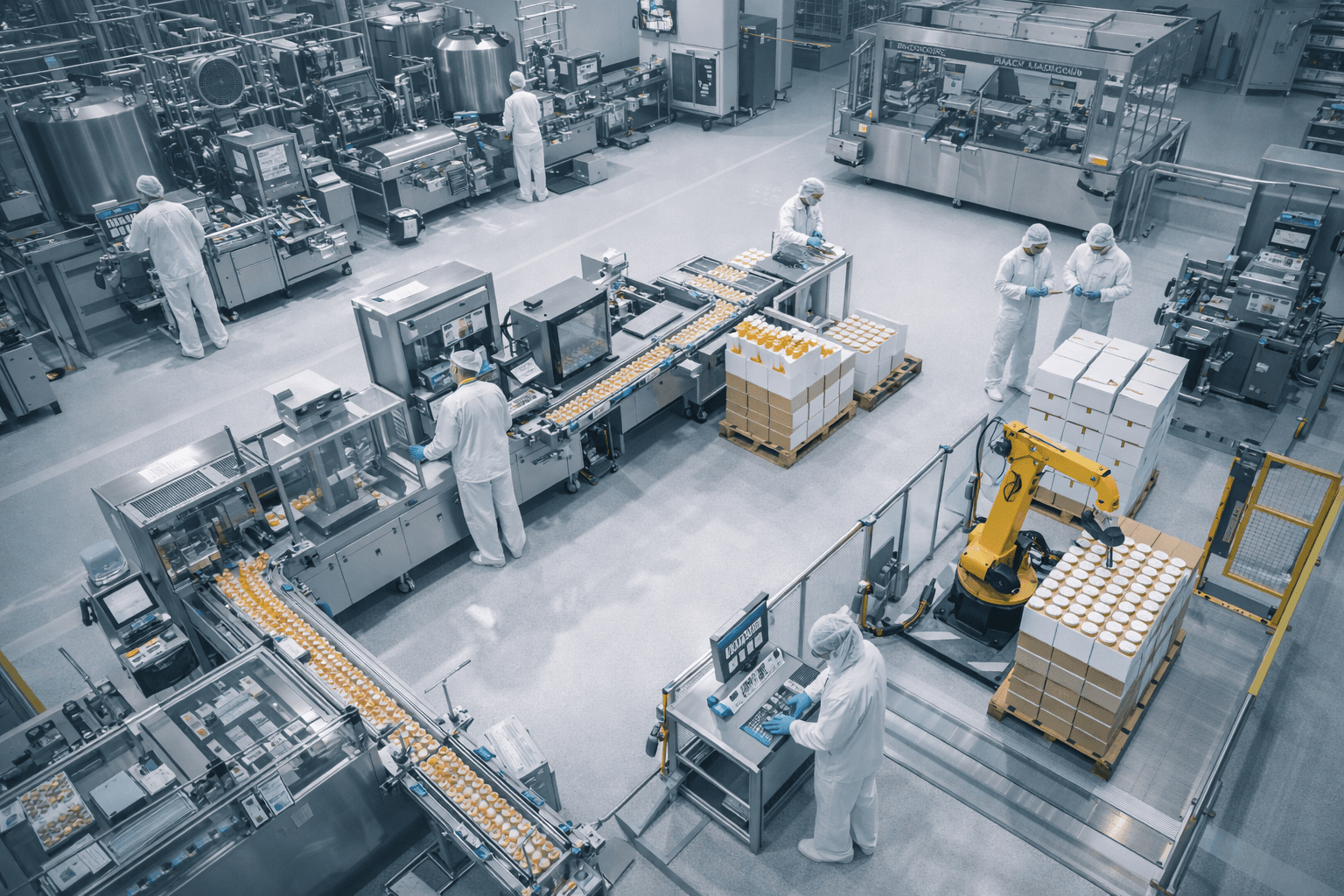
Early-phase pharmaceutical development is defined by uncertainty. Processes are still taking shape, clinical strategies evolve quickly, and decisions made early can have long-term consequences for both the program and the patient.
In this context, manufacturing environments cannot simply be scaled-down versions of late-stage facilities. They must be designed differently — around flexibility, proximity, and people.
At Corealis, our facility was built specifically to support Phase I and II programs. Located within the science hub, it reflects a deliberate choice to operate at human scale, where scientific rigor, collaboration, and responsiveness can coexist within a fully compliant environment.

