


Corealis Pharma & PhinC Group Collaboration
Corealis Pharma & PhinC Group Collaboration
Model-Informed Formulation Development
Formulation science meets predictive biopharmaceutics.
Corealis Pharma and PhinC Group combine oral solid dose formulation development with PBBM/PBPK predictive modeling to help sponsors make more informed formulation decisions earlier.
By connecting experimental formulation data with predicted human performance, our collaborative approach helps development teams focus experiments, understand formulation risks and build a stronger rationale for the formulation they advance into the clinic.
Develop smarter. Predict earlier. Reduce risk.
Moving Beyond Trial-and-Error Formulation Development
Early oral drug development can involve multiple rounds of prototype development, dissolution testing and optimization before the relationship between formulation performance and potential human exposure is fully understood.
For development-stage biotech companies, that uncertainty can mean more batches, greater API consumption and additional development time. Important considerations, including solubility, permeability, particle size, precipitation risk and food effects, may not translate clearly into expected human exposure through experimental testing alone.
Corealis and PhinC brings modeling into the formulation-development process earlier.
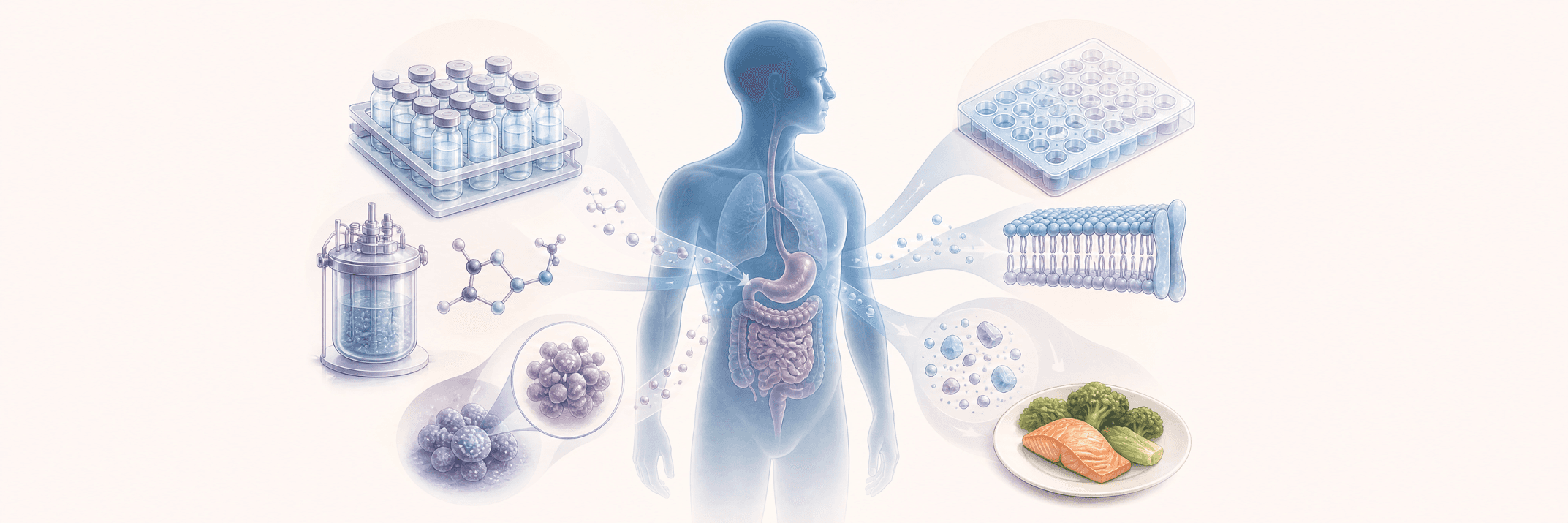
Instead of treating predictive modeling as an analysis performed after formulation development, the collaboration uses modeling to help inform what the formulation needs to accomplish, and then uses targeted experimental development to build toward that objective.
One Integrated Approach
From API Properties to Predicted Human Exposure
The Corealis and PhinC approach creates a feedback loop between experimental formulation science and predictive biopharmaceutics.
01 — Characterize Evaluate relevant API, formulation and dissolution inputs. 02 — Model Develop mechanistic PBBM/PBPK absorption scenarios. 03 — Simulate Explore the potential impact of variables including release, solubility, particle size and food effect. 04 — Build Use those insights to focus prototype development and clinical formulation design. 05 — Decide Bring experimental and modeling evidence together to support formulation selection. | 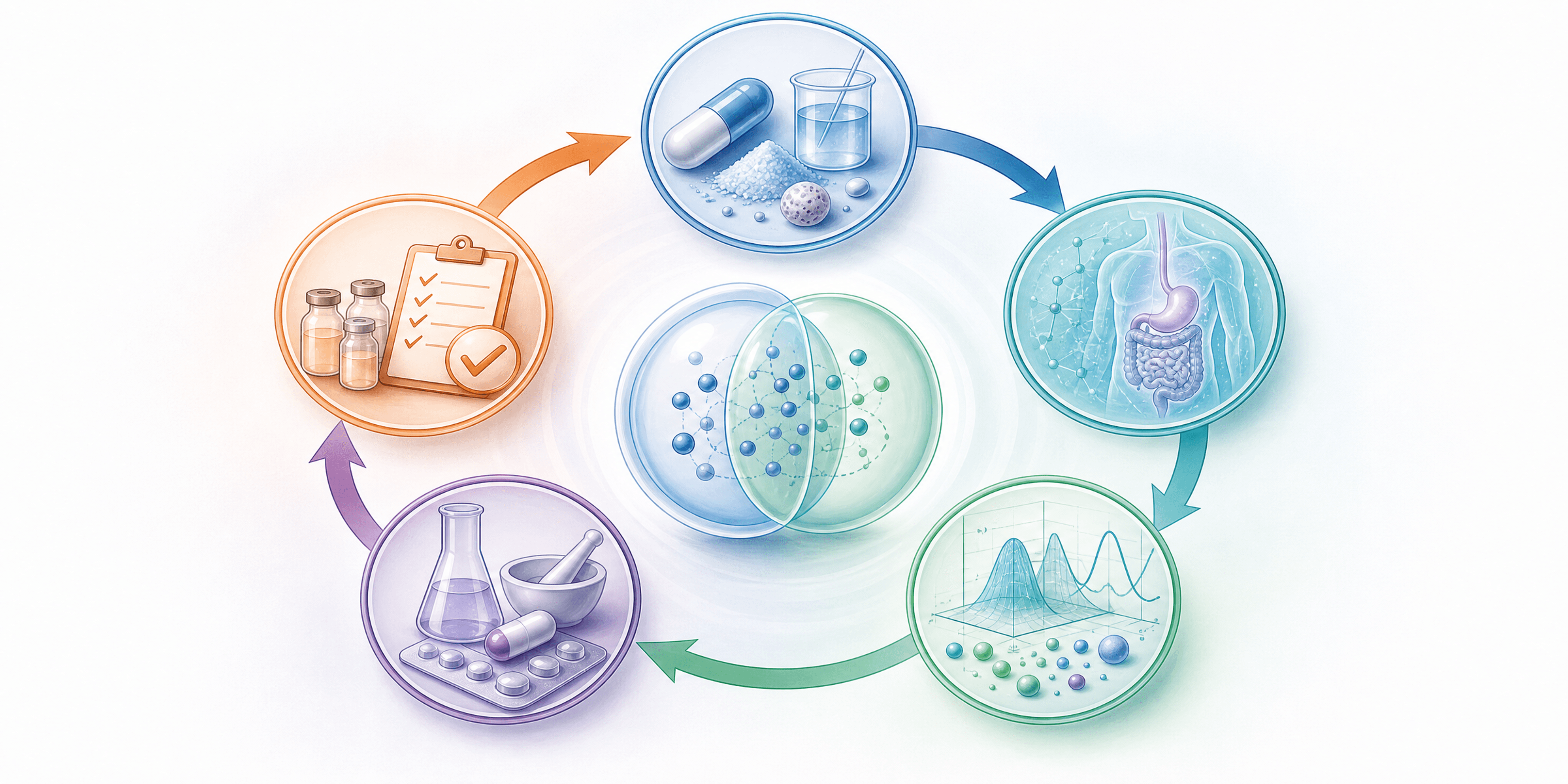 |
Formulation science + predictive biopharmaceutics = a clearer path to the right dosage form.
Why Model-Informed Formulation Development?
Focus development where it matters most.
Bringing predictive modeling and experimental formulation development together can help sponsors:
Reduce unnecessary iterations

Focus experiments on formulations and attributes most likely to influence performance rather than relying on broad empirical screening.
Gain earlier human-performance insight
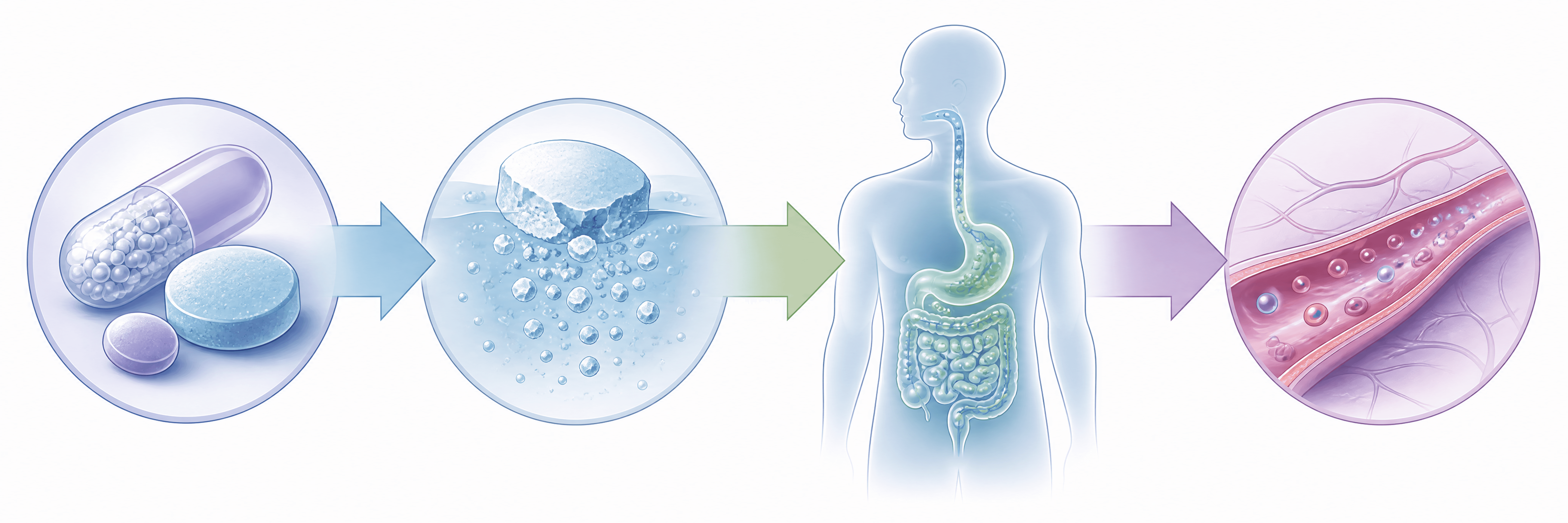
Connect dissolution and formulation behavior with predicted exposure.
Identify and rank development risks

Better understand which API and drug-product attributes may have the greatest impact on performance.
Explore food-effect risk earlier
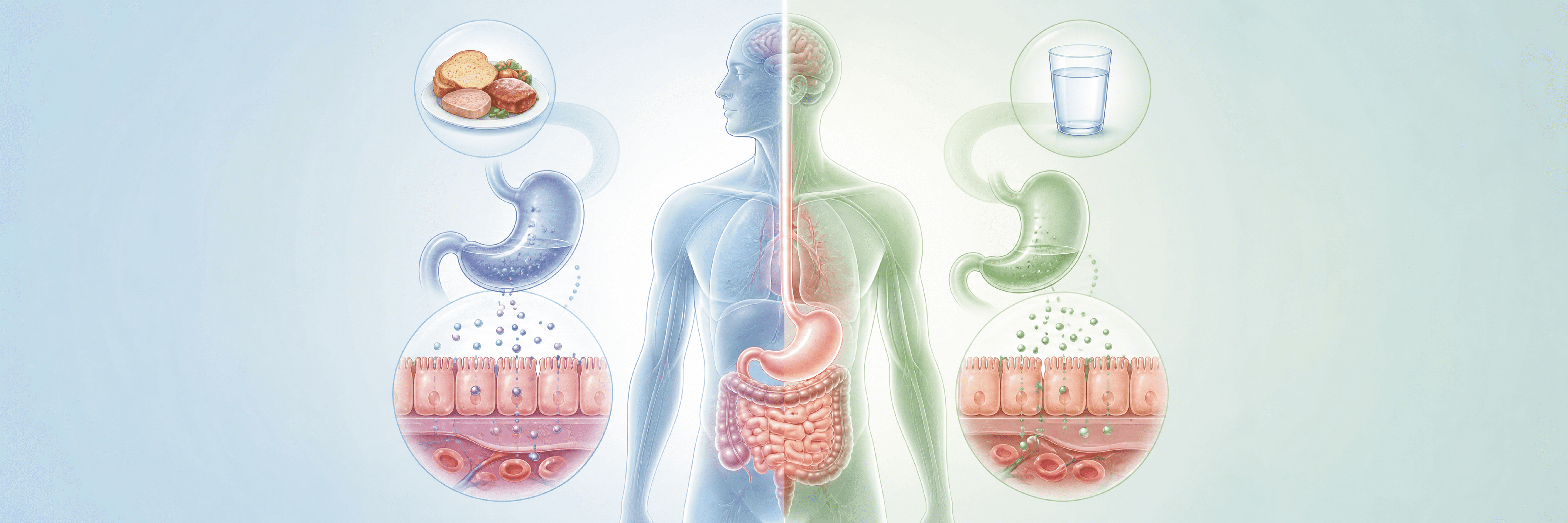
Evaluate potential fed/fasted sensitivity before it becomes a costly downstream surprise.
Inform modified-release development
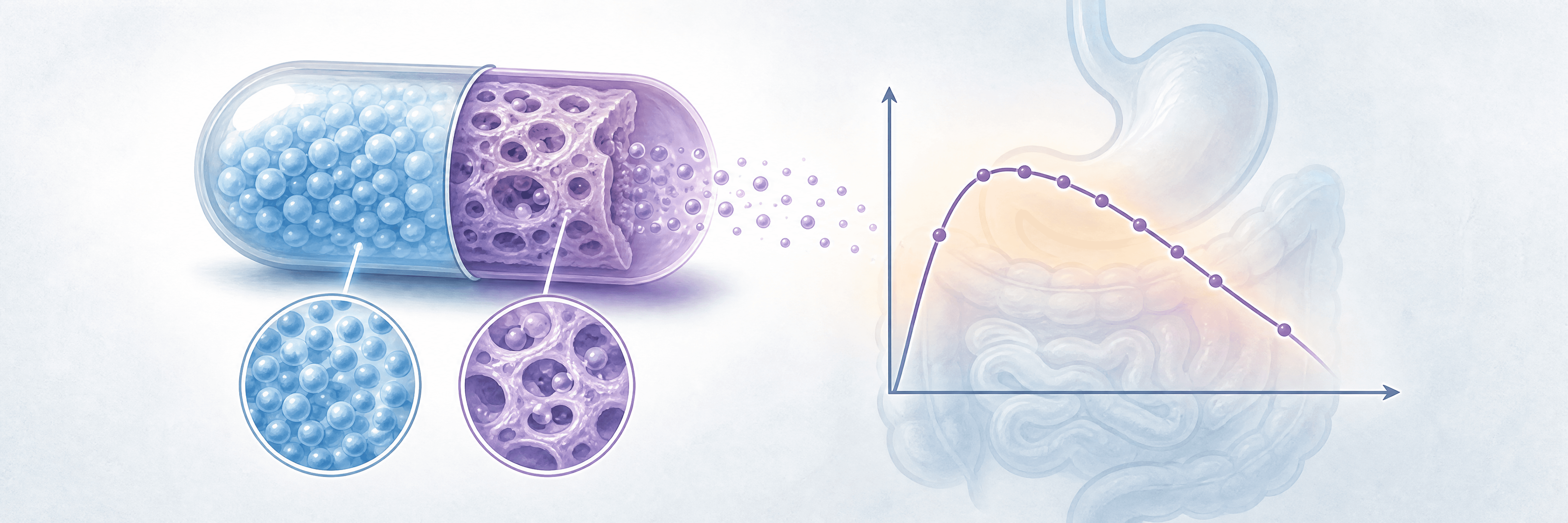
Use the desired PK profile to help guide release-rate and formulation design.
Build a stronger scientific rationale
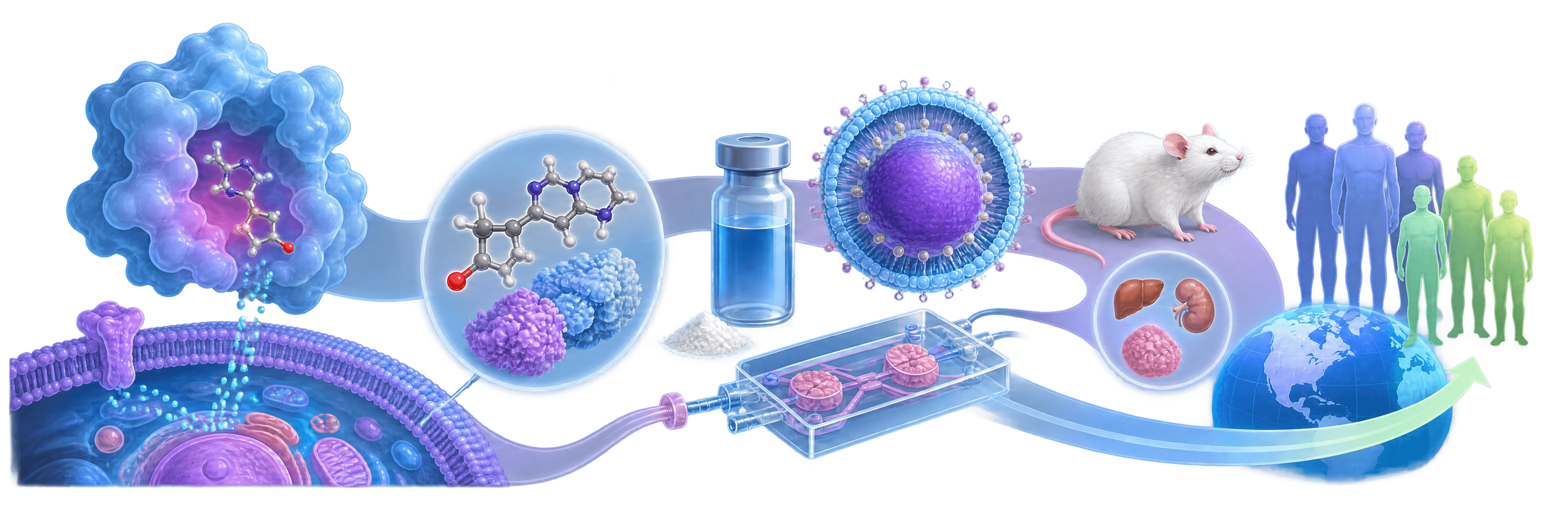
Support formulation, development, bridging and regulatory discussions with mechanistic evidence.
Less trial-and-error. More confidence before committing API, time and clinical capital.
Where Can This Approach Add the Most Value?
Model-informed formulation development can be particularly valuable for development-stage oral small-molecule programs where formulation decisions may materially influence clinical exposure.
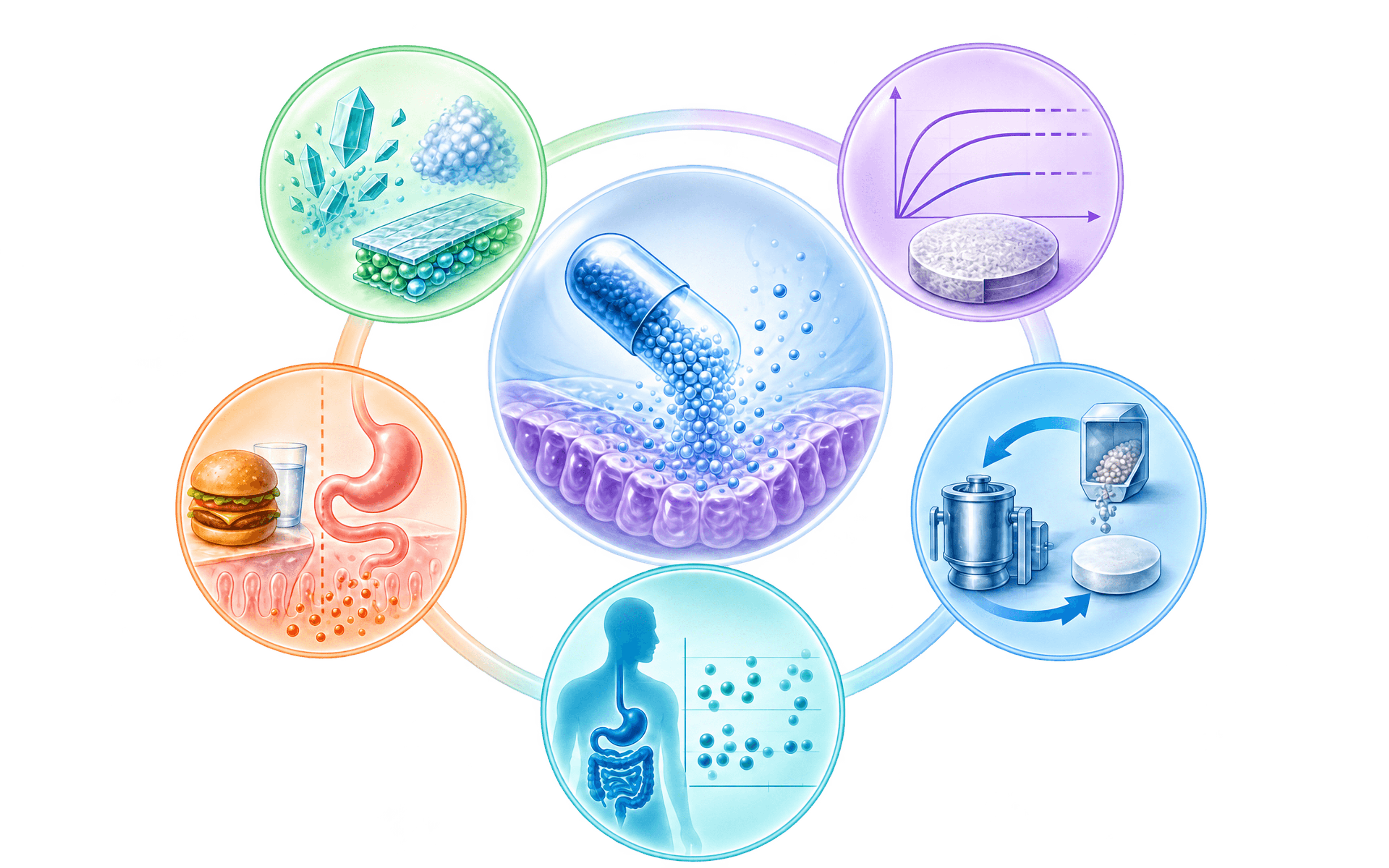 | Poorly Soluble MoleculesEvaluate particle size, amorphous solid dispersion (ASD), precipitation and solubilization strategies in the context of predicted performance. Modified & Controlled ReleaseDesign release-rate strategies around the desired exposure profile. Food-Effect RiskExplore fed/fasted sensitivity and dissolution robustness earlier in development. Formulation BridgingAssess the potential impact of formulation or process changes. Bioavailability UncertaintyIdentify and prioritize the attributes that may need to be optimized before entering the clinic. |
From Batch to Biology
A formulation can perform well in a dissolution test, but the bigger question is what that performance could mean in humans.
The Corealis and PhinC approach connects:
API PropertiesSolubility • Permeability • Particle Size • Stability ↓ Formulation DesignExcipients • Process • Dosage Form • Release Mechanism ↓ Dissolution BehaviorBiorelevant Media • Release Rate • Precipitation Risk ↓ GI AbsorptionAbsorption Site • Transit • Food Effect • Variability ↓ Predicted ExposureCmax • Tmax • AUC • Target Profile |  |
The result is a stronger formulation-selection rationale, one informed by both experimental characterization and mechanistic modeling.
Two Areas of Expertise. One Development Strategy.
Corealis brings specialized expertise in oral solid dosage formulation development, analytical services and GMP clinical manufacturing, providing the experimental development and manufacturing capabilities needed to translate formulation strategy into a clinical-ready drug product.
PhinC brings model-informed drug development and predictive biopharmaceutics expertise, applying PBBM/PBPK approaches to connect drug and formulation characteristics with anticipated human performance.
Together, the teams can work collaboratively to move between modeling, experimentation and formulation optimization, helping sponsors make evidence-based decisions earlier in development.
Make the Molecule Before Making the Batch.
Understand what your formulation needs to accomplish before committing valuable API and development resources to extensive experimental screening.
Corealis Pharma and PhinC Group brings formulation science and predictive biopharmaceutics together to create a more focused, mechanistic and clinically relevant development strategy.
Have a molecule that could benefit from a model-informed formulation strategy?